
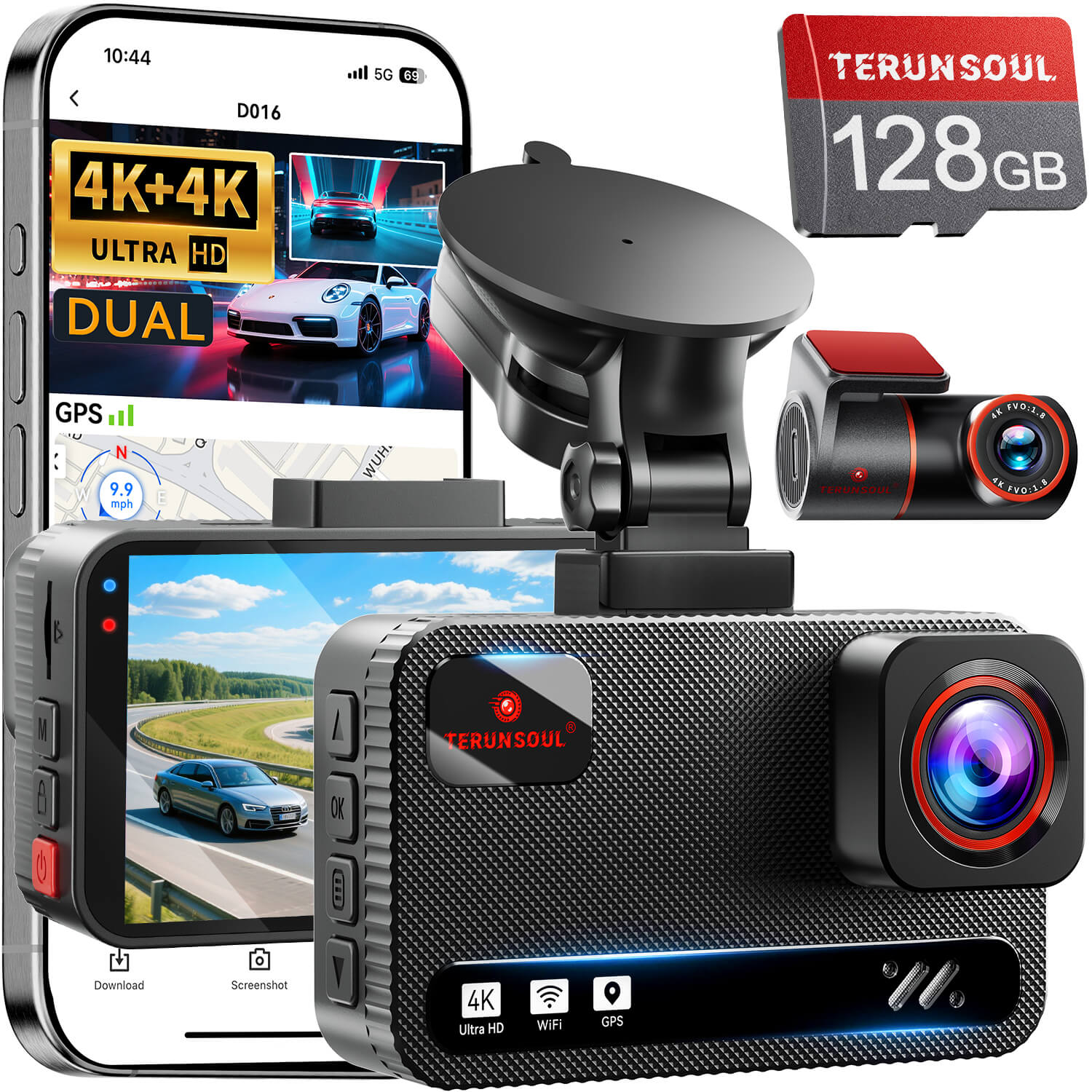
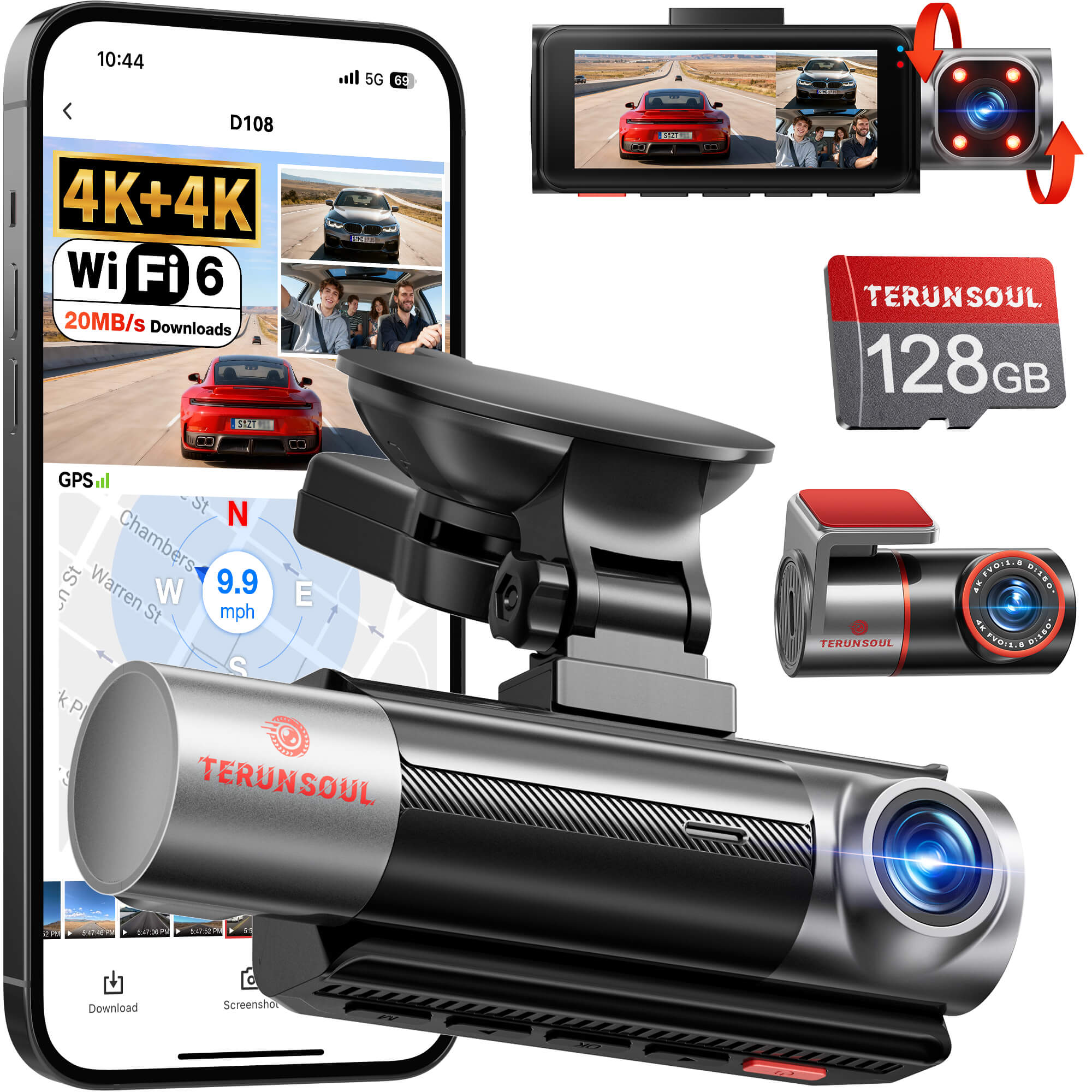

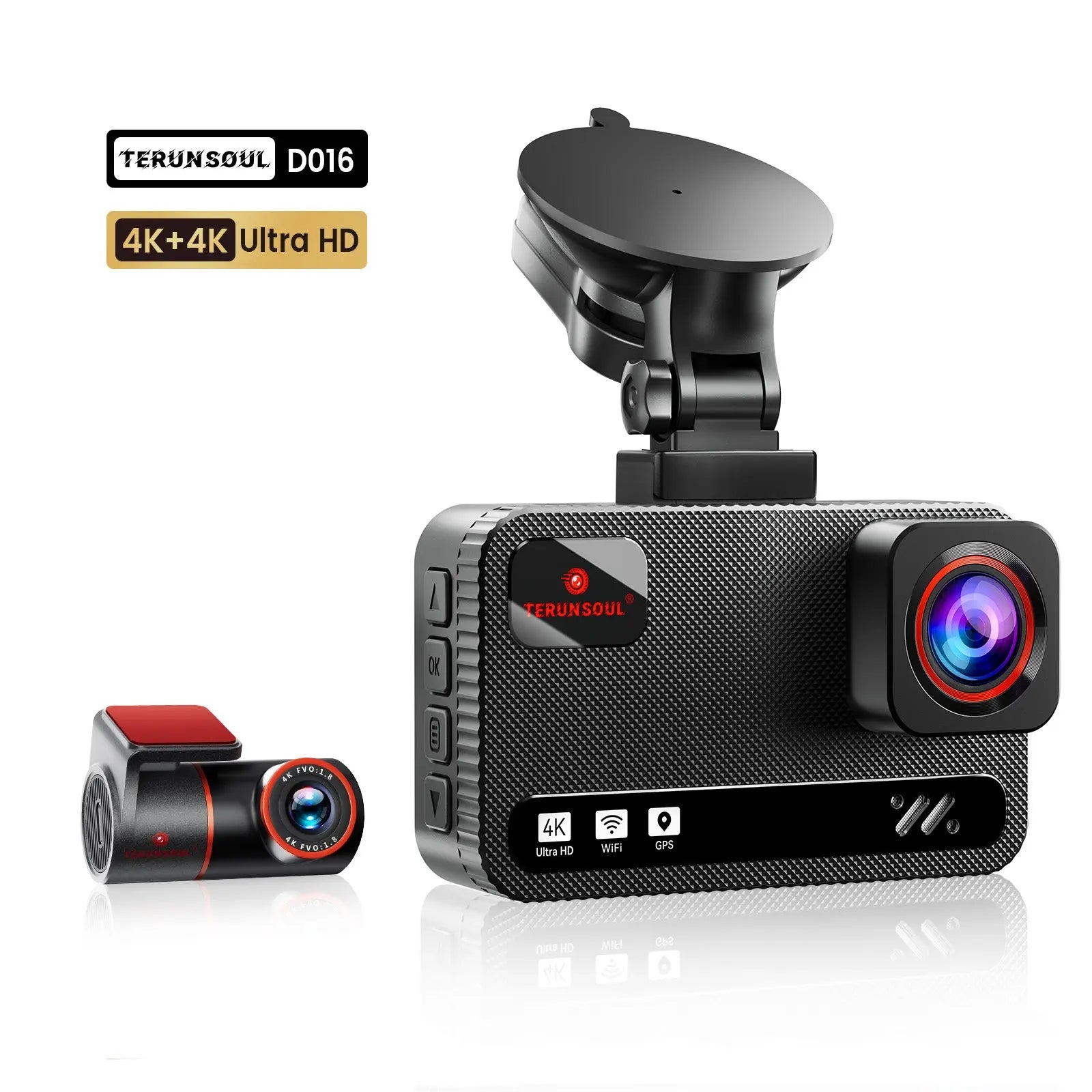
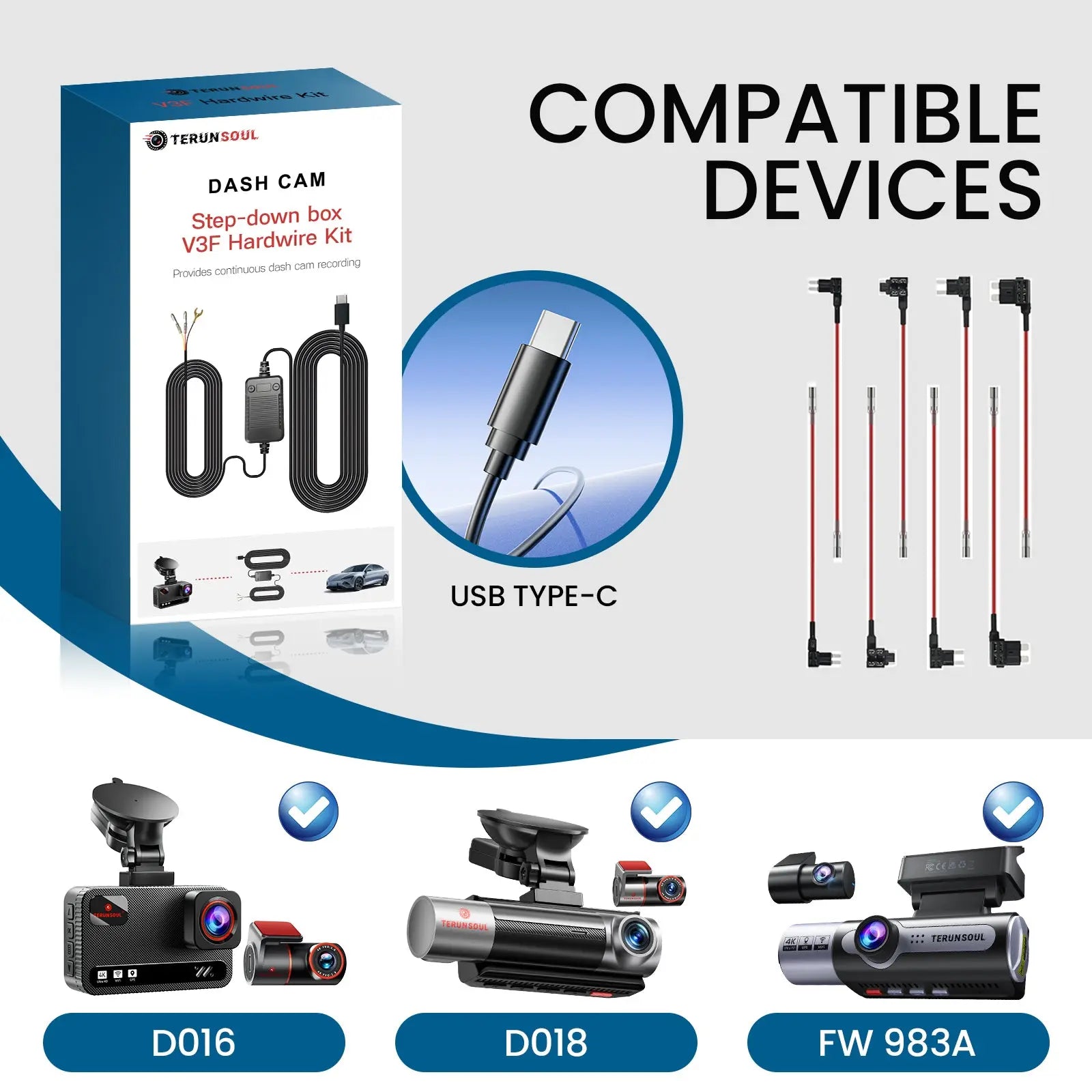

Dash cams have become an essential tool for driving safety. According to statistics, 39% of dash cam users say they purchased one after being involved in an accident or near-miss. These devices are easy to install, convenient to use, and invaluable when filing insurance claims. However, their legality varies by state. If you’re considering buying a dash cam—such as the highly-rated Terunsoul True Dual 4K Dash Cam—here are ten legal questions you should understand.
1. Are Dash Cams Legal?
Yes, dash cams are generally legal in the United States. However, state laws may impose restrictions on where they can be mounted and whether sharing footage online violates privacy laws. Most states require dash cams to be between 5 and 7 square inches if mounted on the windshield. Some states also require them to be placed behind the rearview mirror. In all cases, the dash cam must not obstruct the driver’s view.
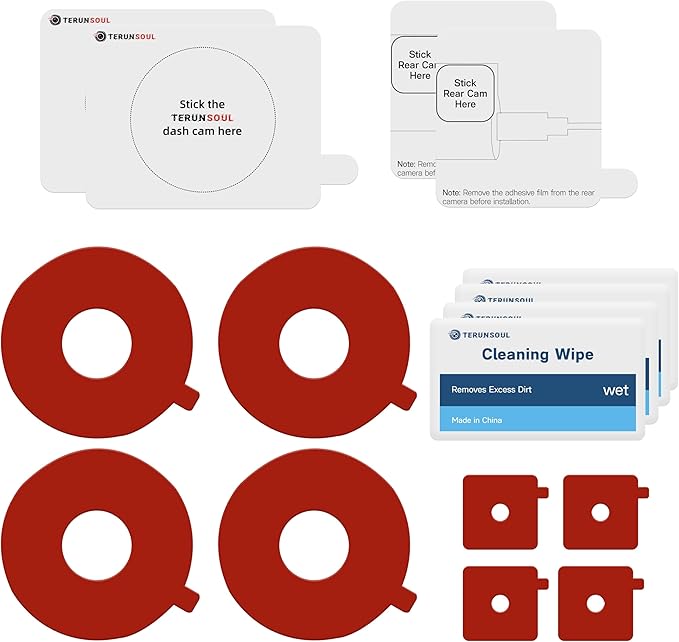
Terunsoul Tip: Terunsoul dash cams feature a compact design with a suction-cup GPS mount that can be easily installed behind the rearview mirror, keeping your view unobstructed and complying with most state regulations.
2. Do Dash Cams Record Audio? Is That Legal?
Yes, most dash cams record audio, but laws regarding the sharing and dissemination of these recordings vary by state. If legally obtained, audio recordings can help document road incidents and conditions. For example, if you live in a one-party consent state, only one person involved needs to agree to the recording. However, in two-party consent states like Florida, Maryland, Nevada, Michigan, California, and Pennsylvania, all parties must consent.
Illegal recordings can result in fines or even lawsuits. You can avoid legal consequences by obtaining consent beforehand or posting a visible notice in your vehicle indicating that audio is being recorded.
3. Dash Cam Footage Editing: What’s Allowed and What’s Not?
Editing dash cam footage for personal use or to enhance clarity is generally permitted. However, altering footage to mislead others can have serious consequences, including charges of evidence tampering. Permissible edits include: adding context through text, timestamps, or personal commentary; adjusting brightness, contrast, and sharpness to improve visibility; trimming irrelevant sections to highlight key moments; and blurring faces and license plates to protect privacy.
Prohibited edits include: altering timestamps or metadata; manipulating audio to distort what was said or heard; and adding or removing objects to misrepresent the scene.
4. Can Dash Cam Footage Be Used as Evidence in Court or for Insurance Claims?
Yes, dash cam footage can be used in court or for insurance claims if properly authenticated. The footage must have been captured in a public place and be relevant to the case. However, video quality significantly impacts its value when negotiating with insurance companies. Low-quality, blurry footage that fails to clearly show the scene may not be sufficient as evidence.
The most helpful footage should be clear and include data such as date and time. More advanced dash cams can also provide GPS coordinates and even driving speed information.
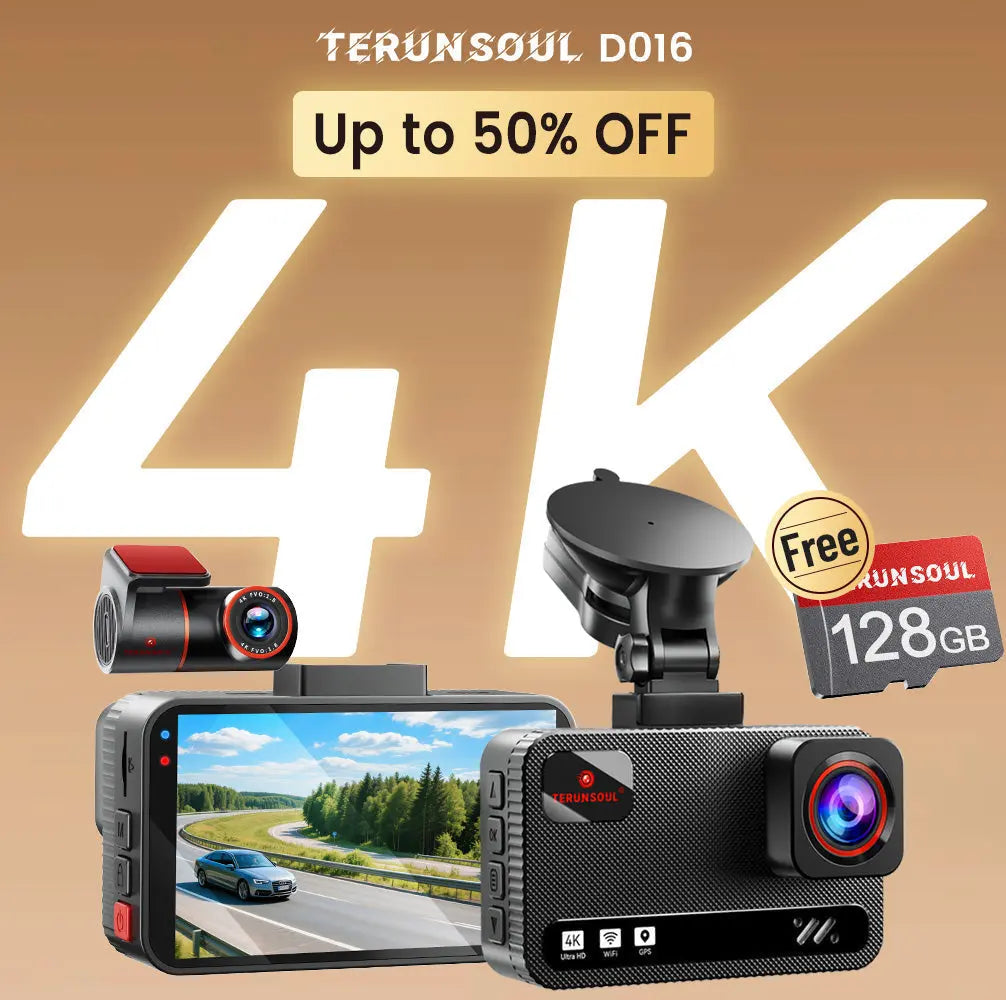
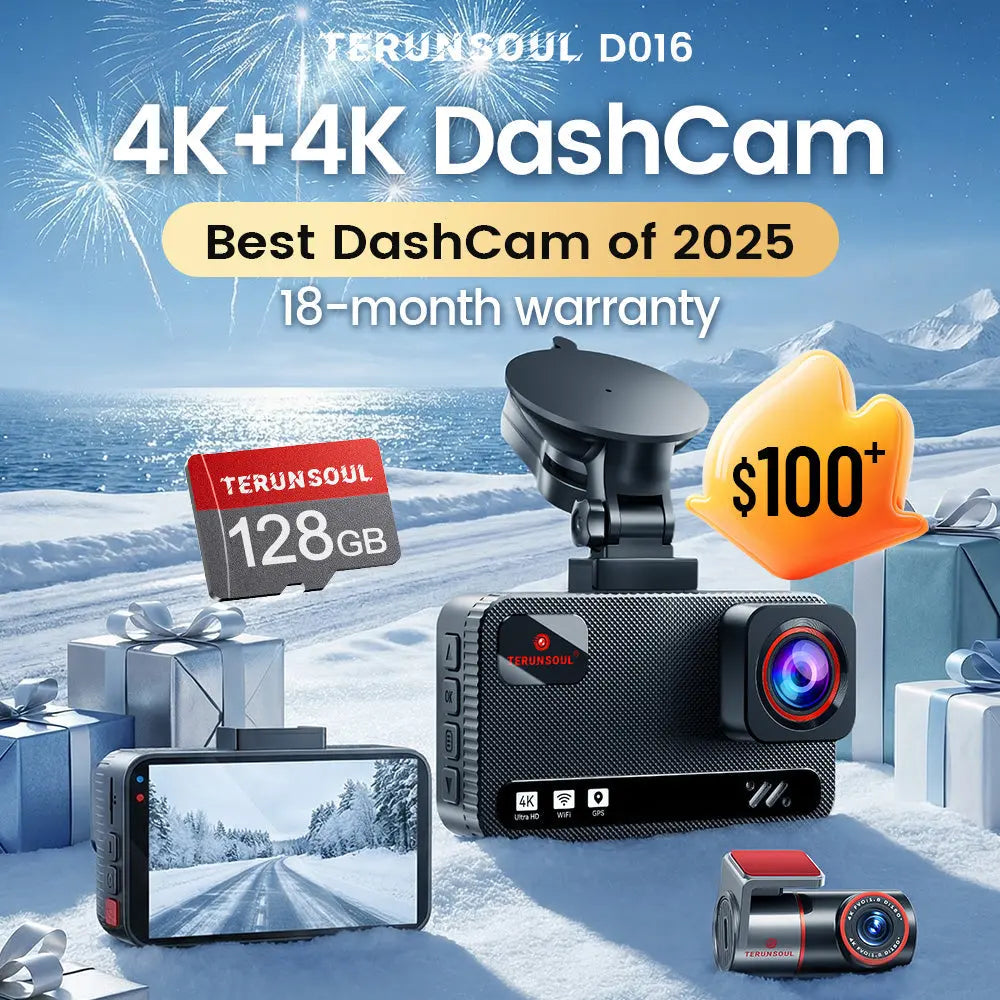
Terunsoul Advantage: Terunsoul dash cams feature true dual 4K resolution and an F1.5 aperture with Starlight Night Vision, capturing clear license plate details even in low-light conditions. They also include built-in GPS to record speed and route data, providing the strongest possible evidence for your claim. All of this for just $100+.
5. Who Owns Dash Cam Footage? What About Others’ Privacy?
Footage captured by a dash cam typically belongs to the person who owns the device and was driving the vehicle. Renters also retain ownership, and no federal law explicitly limits dash cam footage ownership. If you own a dash cam and receive a subpoena, you must provide unedited footage to the relevant authority.
Privacy concerns are more complex. Footage captured on private property—such as in a gated community or someone’s driveway—may not be admissible in court. On the other hand, other individuals who appear in the footage (such as other drivers or pedestrians) do not own the footage. Still, they retain privacy rights. For example, publicly sharing footage of a sensitive incident could expose you to claims of “public disclosure of private facts.”
6. Best Practices for Legal Dash Cam Use
Dash cams can be invaluable when proving fault in an accident or filing an insurance claim. However, the value of your claim depends on the quality of the footage. Here are some key strategies to consider:
1. Stay Informed About Legal Changes: Laws regarding dash cams change frequently. Always check your state’s legal requirements, especially regarding mounting, privacy, and consent.
2. Ensure Proper Installation: Securely mount your dash cam behind the rearview mirror, never on tinted glass. Make sure it does not obstruct your view, and regularly clean the windshield to prevent the mount from loosening.
3. Respect Privacy When Sharing Footage: If you choose to share footage publicly, blur faces, license plates, and any sensitive information. Avoid sharing private conversations or footage taken on private property.
7. Common Legal Questions
Are dash cams legal everywhere? While they are legal in all 50 states, your local area may have specific regulations.
Can edited footage be used in court? Yes, as long as the edits are truthful, accurate, and do not misrepresent the facts. However, note that in many states, editing footage may be considered tampering with evidence and could lead to criminal charges.
What happens if I delete or alter footage? Deleting or altering dash cam footage may result in legal penalties, and the evidence may be excluded from court, especially if you delete footage relevant to an incident.
What are the audio recording laws in my state? State wiretapping laws determine the legality of audio recording. Some states require one-party consent, while others require all-party consent. It’s best to check your state’s specific laws.
What is loop recording? Loop recording splits video into short, continuous files, typically 1 to 5 minutes each. When the storage card is full, the device automatically overwrites the oldest files.
Terunsoul Tip: Terunsoul dash cams support 1/3/5-minute loop recording and feature a built-in G-sensor that automatically locks footage upon impact, preventing it from being overwritten. They also include a free 128GB high-speed memory card, so they’re ready to use right out of the box.
8. Conclusion
Dash cams have become essential tools for improving road safety, promoting responsible driving, and providing peace of mind. Understanding the legal landscape surrounding dash cam footage will help you maximize its value and protect yourself and your passengers.
If you’re looking for a reliable dash cam to safeguard your driving experience, Terunsoul offers one of the best value propositions in the industry. Priced at just $100+, the Terunsoul True Dual 4K Dash Cam delivers true dual 4K front and rear recording, a free 128GB card, F1.5 Starlight Night Vision, dual-band Wi-Fi, and a 3.0-inch large screen—providing over 90% of the premium experience at a fraction of the cost.
Choose Terunsoul. Drive with confidence, backed by evidence.


Leave a comment
All comments are moderated before being published.
This site is protected by hCaptcha and the hCaptcha Privacy Policy and Terms of Service apply.