

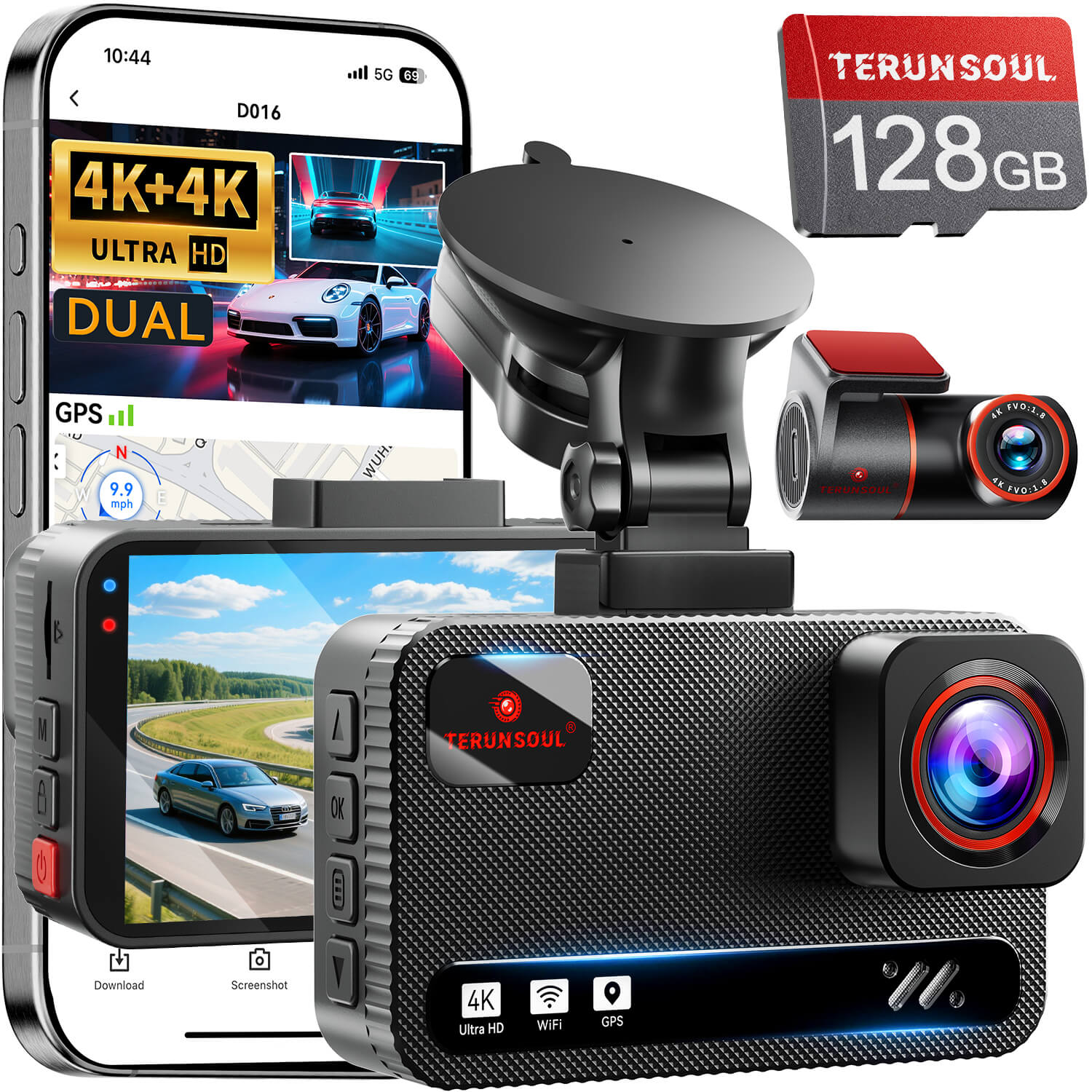
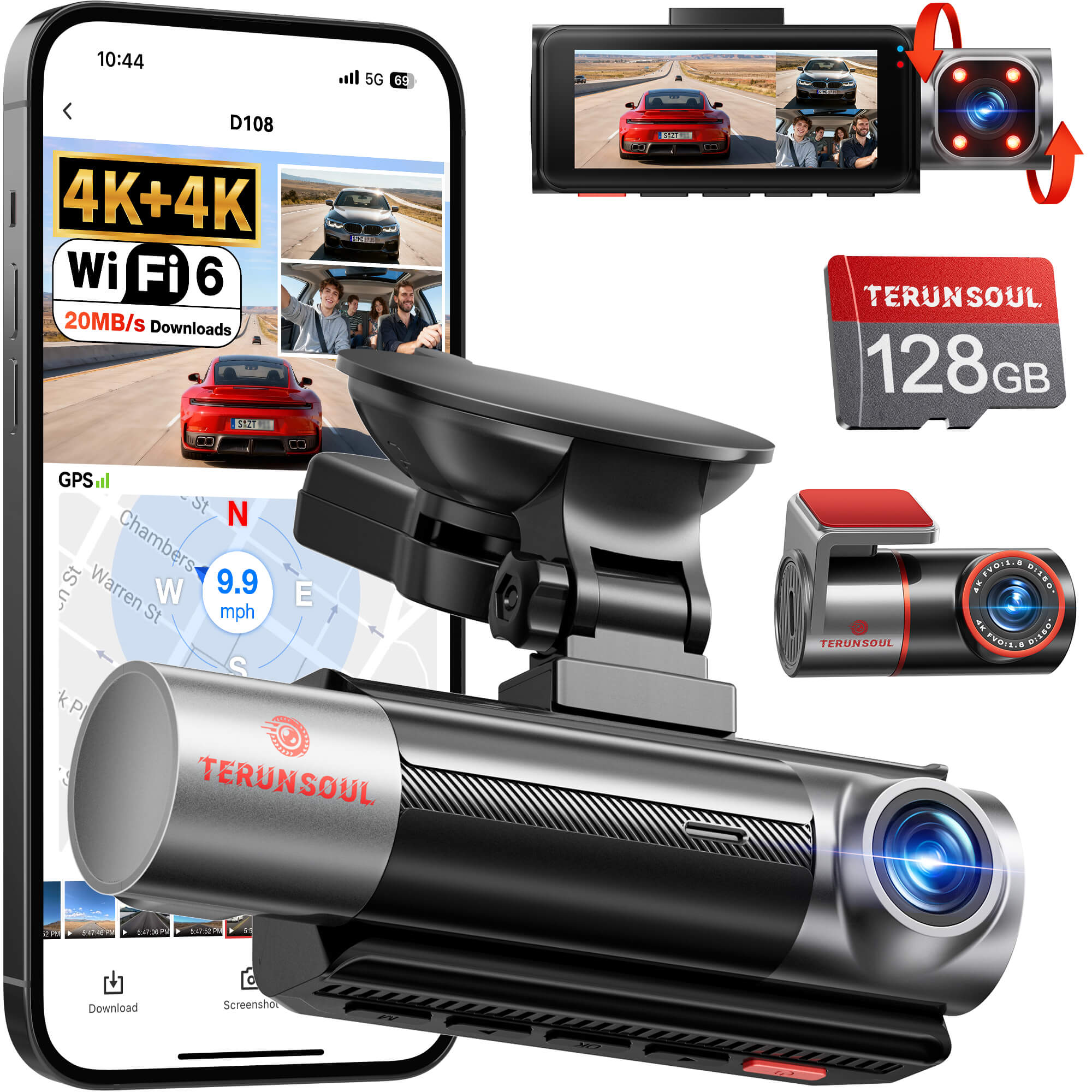

As a Documentary Photographer, I Ditched My ROVE For This $100+ Dash Cam That Saved Me In The Mojave Desert
Two years ago, I stood in an unnamed Arizona canyon, staring at my ROVE R2-4K’s screen in frustration. A pickup had just kicked up a stone that cracked my windshield, then drove off without stopping. But when I checked the recording? The rear camera’s low-light, dusty footage was nothing but noise and blur—no license plate, no way to file an insurance claim.
As a documentary photographer based in Los Angeles, I’ve always had an obsessive demand for image quality. That ROVE, with its angular metal shell and bright screen, had felt like the "professional tool" I needed for my Route 66 journey. It worked great under the Texas sun, capturing those magnificent sunsets and vast plains. But that canyon dusk? It failed me when I needed it most.
That’s when I realized: my dash cam couldn’t just be a daytime champion. My cross-country journeys are full of uncertainty—dusk, deep night, rain, fog, dust. I needed something that could hold up in dynamic, messy lighting, not just perfect sunny days.
My Months-Long Search For A Reliable Low-Light Dash Cam
This time, I did my homework. I dug into every spec, compared all the top models:
I admired the Sony sensor tech of the VIOFO A139 Pro, but its mandatory cloud storage subscription? Useless for me, since I’m often off-grid in the wilderness with no service.
I loved the compact design of the THINKWARE U3000, but its price tag was way out of my budget for a travel tool.
What I needed was simple: a no-subscription dash cam that could actually handle low light, without breaking the bank.
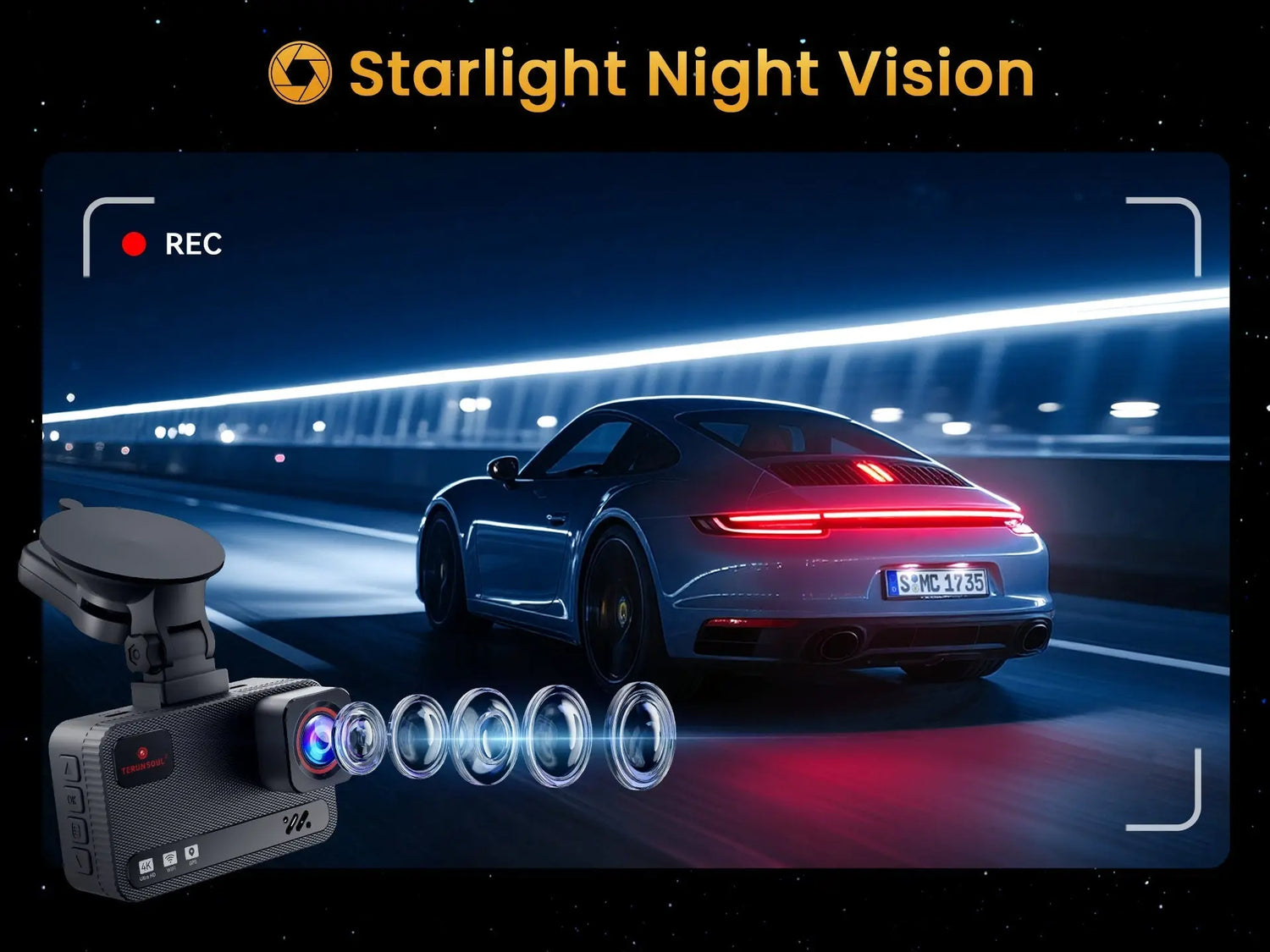
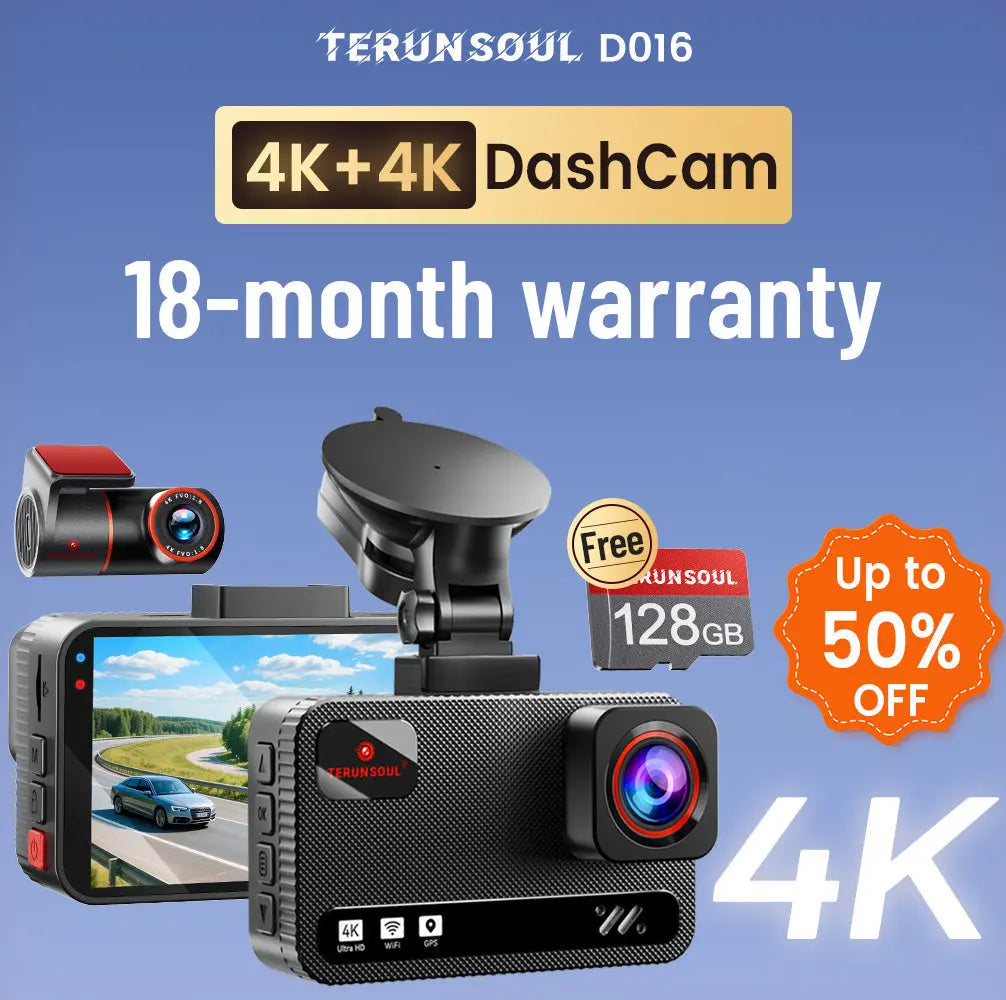
That’s when the Terunsoul D016’s spec sheet caught my eye. As a photographer, I know that hardware beats algorithm every time—especially for low light. Its F1.5 ultra-wide aperture and all-glass lens assembly? That’s exactly the kind of optical foundation you need to conquer dark environments. A larger aperture lets in way more light than any post-processing trick can fix.
And at $100+, with all the accessories (including a 128GB SD card!) included? It was a low-risk trial. If it didn’t work, I hadn’t wasted hundreds of dollars.
The Mojave Night Test: It Worked When It Mattered
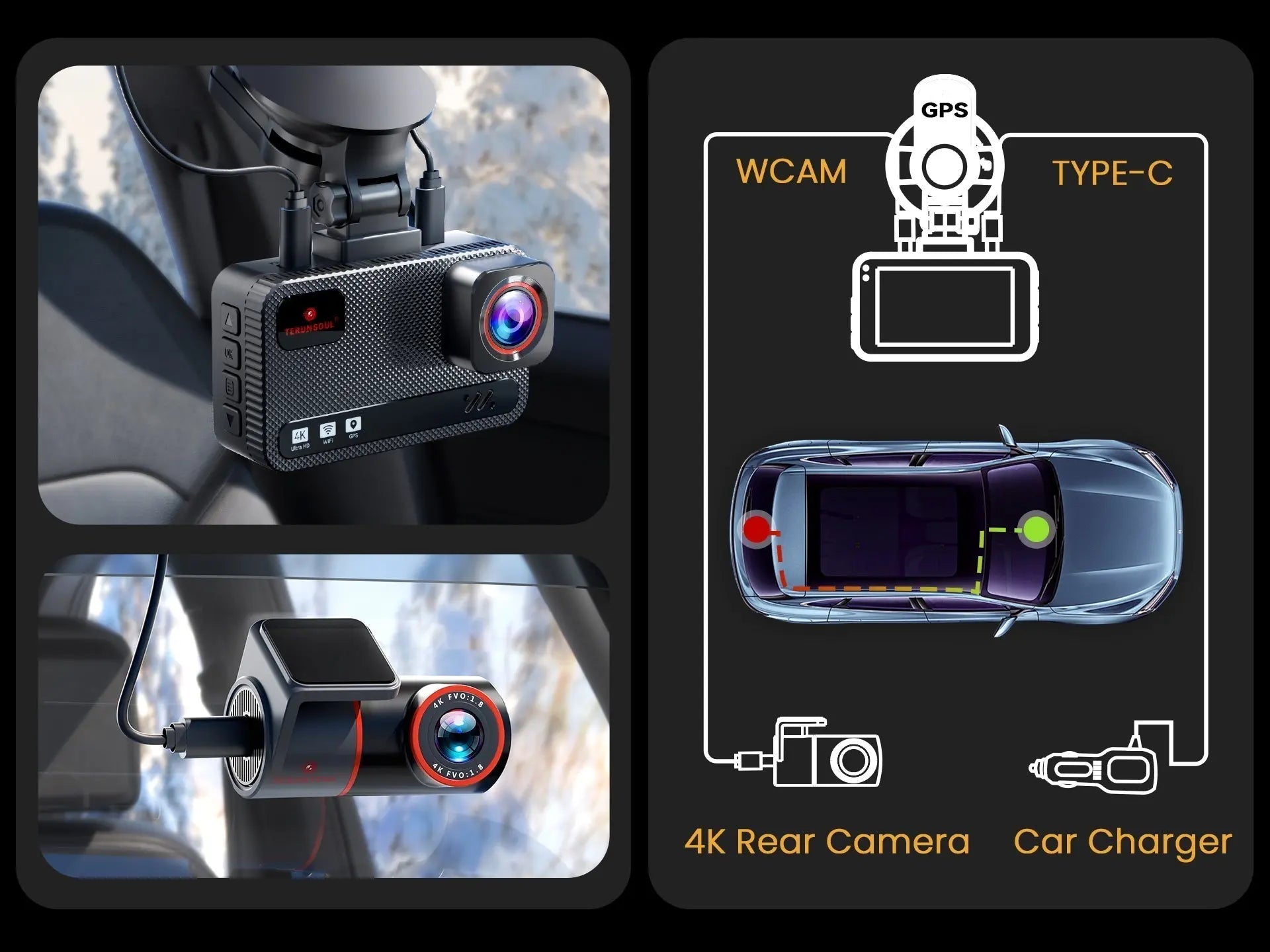
I mounted the D016 on my windshield, and I loved how low-key it was—no big flashy screen, just a quiet observer, exactly what I wanted.
Last month, I was driving back overnight after photographing the starry sky in the Mojave Desert. It was nearly pitch black out there, only my headlights and a few distant road signs lighting the way. Then, a semi truck suddenly swerved into my lane, crowding me off the road. I honked, flashed my lights, and it finally moved back.
When I got home, I pulled up the footage via the D016’s WiFi. Even in near-total darkness, the video was clear: I could see the truck’s model, and even part of its license plate. It wasn’t that exaggerated "night into day" trick some brands advertise, but it was more than enough. My old ROVE would’ve turned that into a blurry mess, just like it did in that Arizona canyon.
Good Dash Cams Shouldn’t Be A Luxury For Rich People
Now, that ROVE R2-4K is sitting in my storage cabinet. It was the symbol of my old pursuit of a "professional-looking" tool. The Terunsoul D016? It’s my new car companion.
It doesn’t brag about top-tier sensors, or promise some fancy connected ecosystem that I’ll never use. It just does one thing, and does it well: it gives me a clear, reliable visual log for every journey, through light and dark, with no hidden fees, no subscriptions, just honest pricing.
For me, that’s what democratization of tech means: excellent recording capability isn’t just for people who can drop $300+ on a top-tier brand. It should be for every traveler, every photographer, every driver who takes their journey—and the truth of what happens on the road—seriously.
👉 If you’re tired of dash cams that only work on sunny days, or sick of paying monthly subscriptions you don’t need, check out the Terunsoul D016 here. It’s the reliable, no-fuss road trip companion I’ve been looking for.
P.S. If you often drive alone on long trips, you might also want to check out our guide to how to set up parking mode without killing your car battery — it’s saved me so much worry on my overnight photography trips!

Laisser un commentaire
Tous les commentaires sont modérés avant d'être publiés.
Ce site est protégé par hCaptcha, et la Politique de confidentialité et les Conditions de service de hCaptcha s’appliquent.