


When you buy a dash cam, do you ask “what temperature can it handle?” Most people don‘t. We look at resolution, wide-angle, night vision — but we rarely consider a more fundamental question: will this thing overheat in summer? Will it freeze in winter?
A dash cam lives in your car. And the temperature inside your car is far more extreme than you think. In summer, a closed car can exceed 70°C. In winter, in northern regions, it can drop below -20°C. If a dash cam can’t handle these two extremes, no amount of image quality matters.
Official Spec: -20°C to 70°C
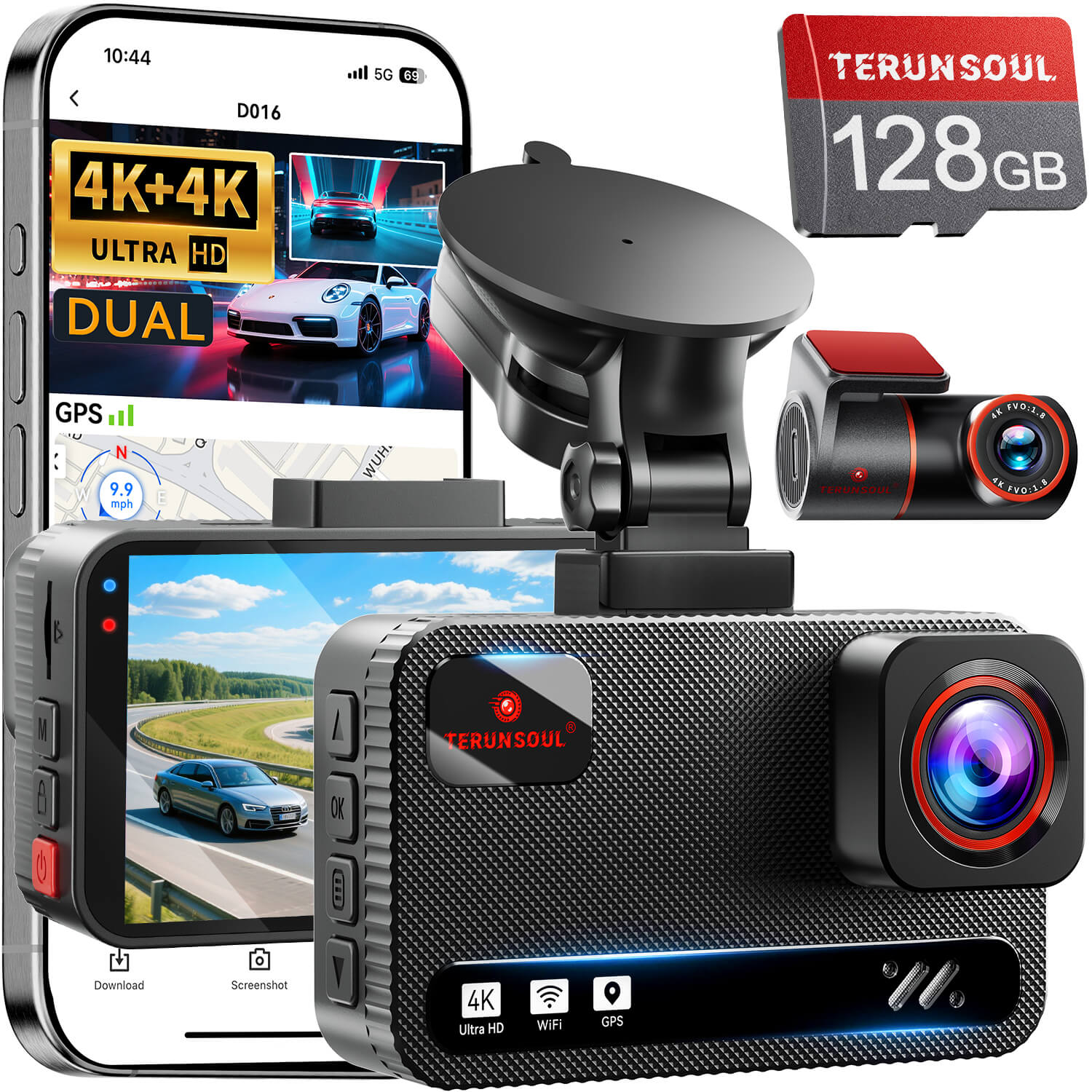
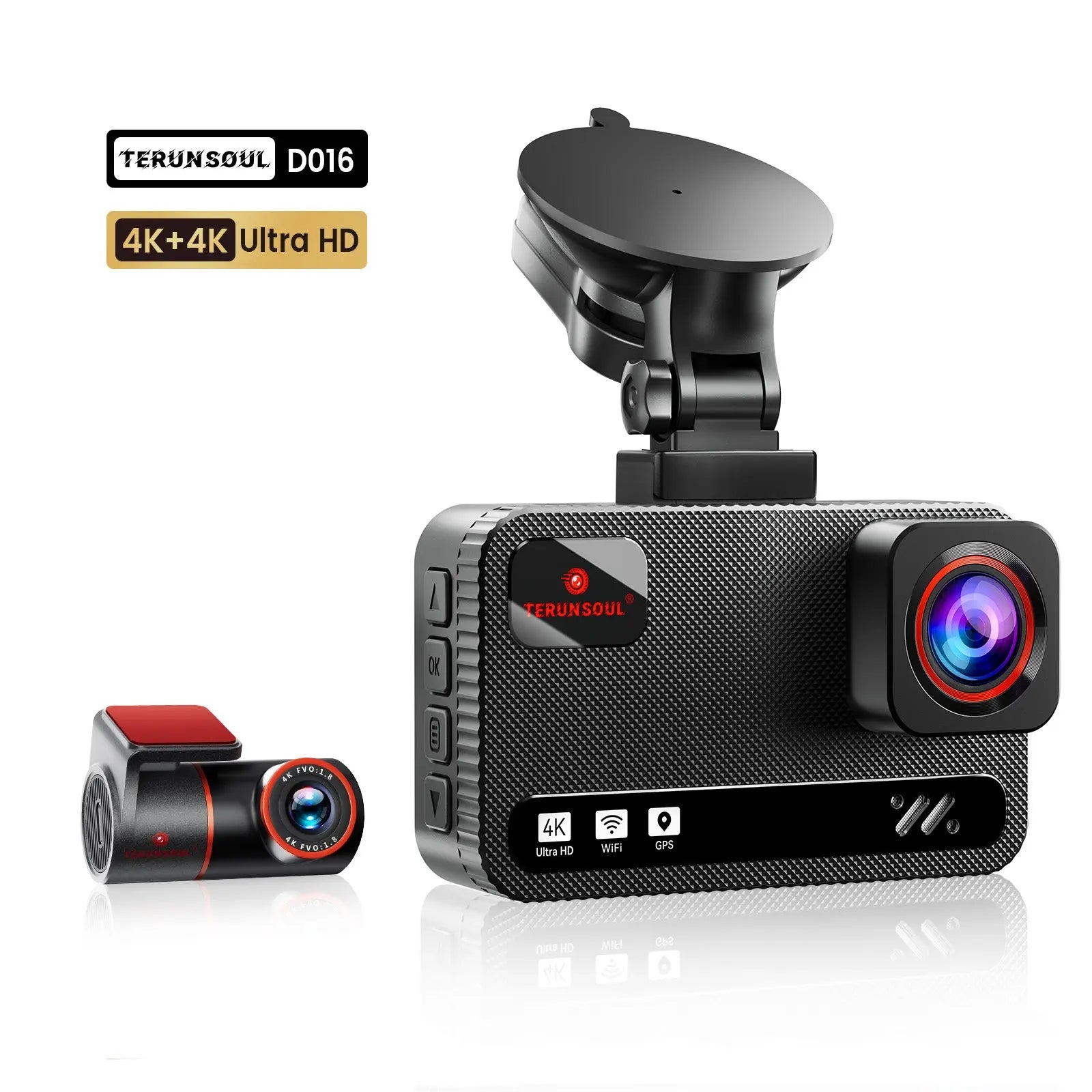
According to the official Terunsoul D016 user manual, its normal operating temperature range is -4°F to 158°F, or -20°C to 70°C. This means:
-
Minimum operating temperature: -20°C (-4°F) — enough to handle winter cold in most northern U.S. states.
-
Maximum operating temperature: 70°C (158°F) — enough to handle summer heat in most southern U.S. states.
The manual also notes: “The device may heat up during operation. Do not touch the device during operation to avoid burns”. This means the D016 can still function properly at extreme high temperatures — the body will get warm, but that’s normal, not a malfunction.
What does 70°C actually mean? Does a car really get that hot?
According to a study by Arizona State University, when the outside temperature is just 35°C, the interior of a closed car can reach 50°C within 30 minutes, and exceed 60°C within an hour. On a dashboard exposed to direct sunlight, surface temperatures can even surpass 85°C. The expensive electronics you bought live in this “mobile oven” year-round.
If you live in Arizona, Texas, Nevada, or inland California, 70°C inside your car in summer is not uncommon. If your dash cam can only handle up to 50°C, it might already be “heat-stroked” and shut down when you need it most — at high noon in the middle of summer.
Full Aluminum Alloy Body: The Secret Behind D016‘s Heat Resistance
Many dash cams use plastic shells. Plastic is an insulator — heat builds up inside and can’t escape. The chip temperature keeps rising, eventually causing freezes, reboots, or even permanent damage.
The Terunsoul D016 uses a full aluminum alloy unibody chassis — not plastic with a metal sticker, but a body that is itself a heat sink. Heat from the chip is rapidly conducted away through the aluminum, not trapped inside a plastic shell. That‘s why the D016 can keep recording steadily at 70°C — its thermal design solves the problem at the physical level.
-20°C: Powers On in Winter, Doesn’t “Freeze Up”
Low temperatures are equally tough on electronics. LCD response slows down, battery capacity plummets, chips struggle to start — many dash cams simply won‘t power on at sub-zero temperatures.
The D016’s lower operating limit is -20°C. That means in winter-cold cities like Chicago, Detroit, Boston, and Minneapolis, you can still start your dash cam normally on a minus-ten-degree morning. It won‘t “go on strike” just because it’s cold.
How Does the D016 Compare to Other Brands?
Most mainstream dash cams have an operating temperature range of -10°C to 60°C. Some high-end models (like VIOFO and BlackVue flagships) can handle -20°C to 70°C, but they typically cost $300 to $500 or more. The Terunsoul D016 delivers the same temperature tolerance as premium brands — -20°C to 70°C — at a price of just over $100.
| Brand/Model | Operating Temperature | Price |
|---|---|---|
| Terunsoul D016 | -20°C to 70°C | $100+ |
| Most mainstream brands | -10°C to 60°C | $150-$250 |
| VIOFO/BlackVue flagships | -20°C to 70°C | $300-$500+ |
Usage Notes
Although the D016 can handle extreme temperatures from -20°C to 70°C, the manual still has some reminders worth noting:
-
Avoid prolonged direct sunlight: Although the D016 can work at 70°C, extended direct sunlight may still affect the device‘s lifespan. Install it behind the rearview mirror to reduce direct exposure.
-
It will get warm during operation: At 70°C, the body will get warm — this is normal. Don’t touch it to avoid burns.
-
Ensure ventilation: Don‘t block the heat dissipation area during installation. Keep air circulating.
Why Temperature Tolerance Matters More Than You Think
What happens if a dash cam can’t handle heat or cold?
-
In heat: Chip overheats → image quality drops → frequent reboots → complete freeze → critical accident not recorded
-
In cold: Slow screen response → won‘t power on → memory card read/write errors → footage lost
If the dash cam you spent hundreds on only works in spring and fall, but crashes in summer and shuts down in winter, that money was wasted. The Terunsoul D016 proves one thing with its -20°C to 70°C operating range: it’s not just good on paper — it‘s truly built to last.
Conclusion
How much heat and cold can your dash cam handle? The Terunsoul D016‘s answer is: -20°C to 70°C. From Chicago’s bitter winter to Arizona‘s scorching summer, it works reliably.
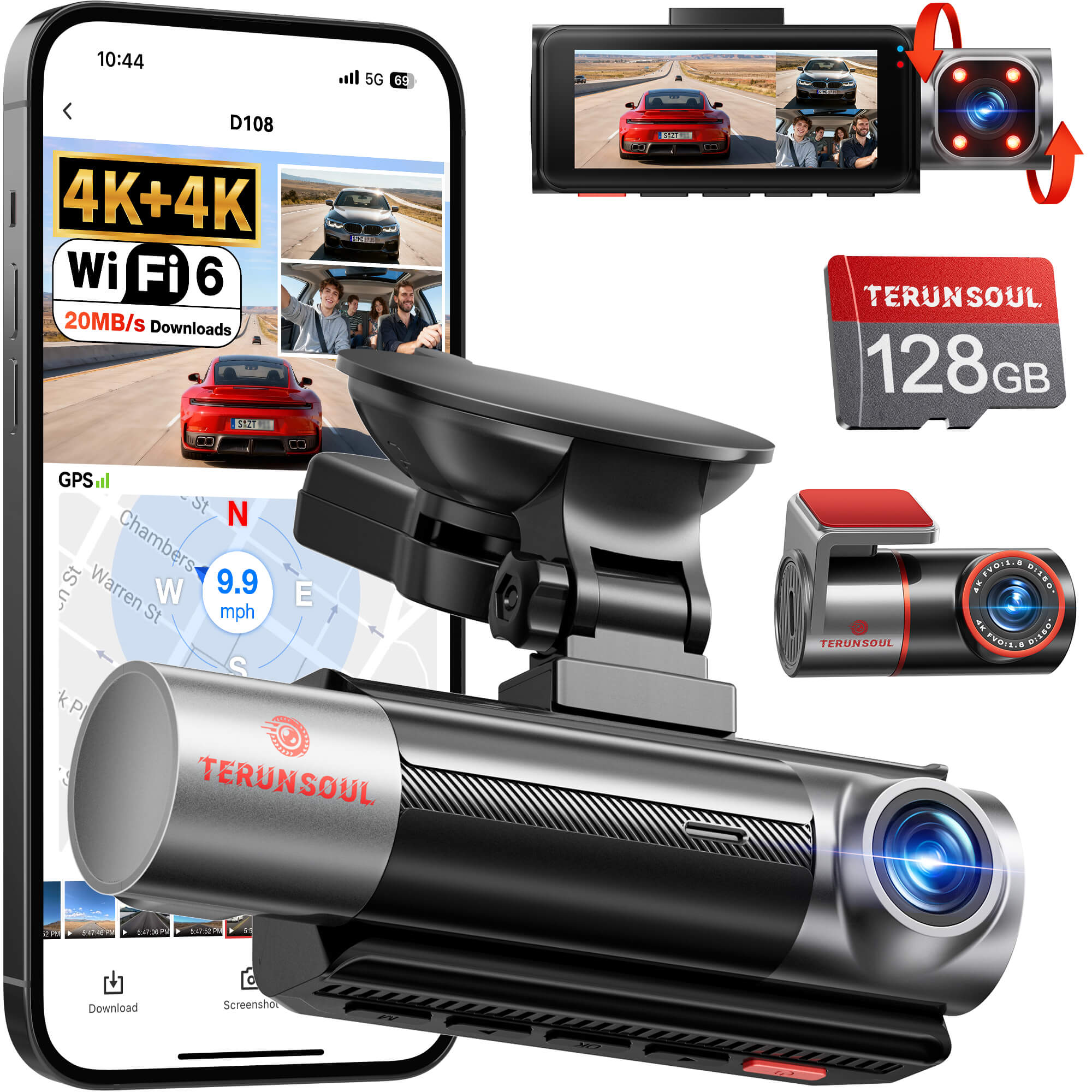
Full aluminum alloy unibody heat dissipation, just over $100, front and rear dual 4K, ready out of the box with a free 128GB high-speed card. It won’t “heat-stroke” in summer, and it won‘t “freeze up” in winter — it just sits there, steadily recording every drive.
Choose Terunsoul D016. Only something that can handle extreme temperatures deserves to guard every drive you take.


Dejar un comentario
Todos los comentarios se revisan antes de su publicación.
Este sitio está protegido por hCaptcha y se aplican la Política de privacidad de hCaptcha y los Términos del servicio.