


The Price Truth (2026)
Why Some Dash Cams Cost $350 While Others Deliver the Same Protection for Under $150
Introduction
You probably don't think about your dash cam very often.
Until the day you need it.
Maybe another driver runs a red light.
Maybe someone hits your parked car and drives away without leaving a note.
Or maybe your insurance company asks a simple question:
"Do you have any video evidence?"
At that moment, the price you paid for your dash cam suddenly becomes irrelevant.
What matters is whether it captured the truth.
That's why choosing a dash cam isn't really about buying another gadget.
It's about buying peace of mind.
Yet shopping for one in 2026 has become more confusing than ever.
Premium models now cost $300 to $450, promising AI-powered driving assistance, cloud storage, LTE connectivity, voice control, and dozens of advanced features.
Meanwhile, more affordable models advertise many of the same core specifications for less than half the price.
So what's really happening?
Are expensive dash cams actually better?
Or are many drivers paying for features they'll never use?
This guide takes a closer look at where your money really goes, which features actually matter, and why total ownership cost often tells a very different story than the number printed on the price tag.
Whether you're buying your very first dash cam or replacing an older model, understanding these differences could save you hundreds of dollars—without sacrificing the protection you actually need.
Chapter 1
Why Are Dash Cams More Expensive Than Ever?
Five years ago, paying more than $300 for a dash cam felt excessive.
Today, it's becoming surprisingly common.
Walk into almost any electronics retailer or browse online marketplaces, and you'll find flagship dash cams selling for $300, $400, or even more.
Has camera technology improved that dramatically?
Not exactly.
Instead, today's higher prices are largely driven by four industry trends.
1. More Features Than Most Drivers Actually Need
Manufacturers are adding more technology than ever before.
Cloud storage.
Voice assistants.
AI driver alerts.
Remote viewing.
LTE connectivity.
Emergency SOS.
For commercial fleets or professional drivers, some of these features can be useful.
For someone commuting to work every day, many of them are rarely used after the first month.
The problem isn't that these features are bad.
The problem is that everyone pays for them—even if they never use them.
2. You're Often Paying for the Brand, Not Just the Hardware
Well-known brands invest millions of dollars every year in advertising, influencer partnerships, trade shows, retail displays, and international distribution.
Those investments help build trust and recognition, but they also become part of the final retail price.
In other words, when you buy a premium dash cam, you're not only paying for the camera itself.
You're also paying for the marketing that introduced it to you.
3. The Advertised Price Isn't the Final Price
This catches many first-time buyers by surprise.
A dash cam advertised for $299 may still require additional purchases before it's fully ready to use.
Common extras include:
✔ High-endurance microSD card
✔ Hardwire kit for parking mode
✔ CPL filter
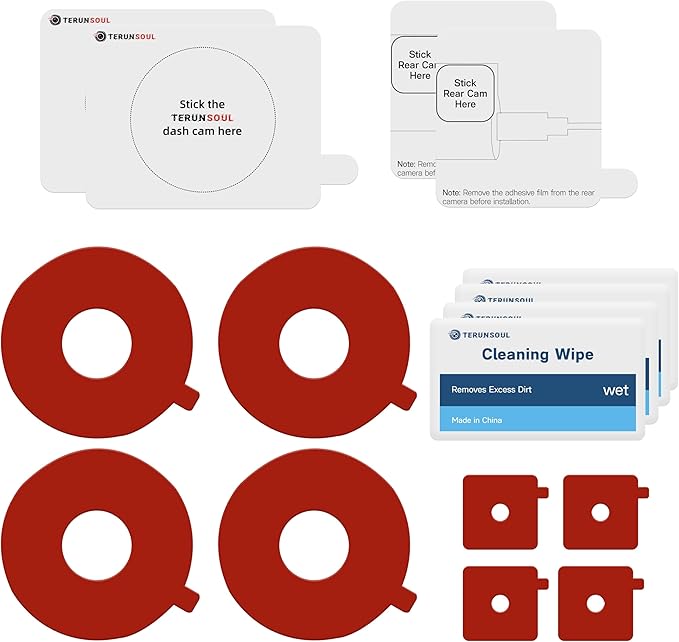
✔ Additional mounting accessories
✔ Shipping costs
By the time everything is added together, that "$299 dash cam" can easily cost well over $380.
That's why experienced buyers compare total ownership cost, not just sticker price.
4. Most Drivers Only Need Four Things
Here's the interesting part.
Despite all the new technology, most drivers still rely on a dash cam for exactly the same reason they did ten years ago:
To record clear evidence when something unexpected happens.
Everything else is secondary.
That raises an important question.
If you only need reliable evidence, which features are actually worth paying for?
Let's look at the four that matter most.
Chapter 2: The Four Features Actually Worth Paying For in 2026
If you're shopping for a dash cam today, you'll notice an endless list of features on nearly every product page. AI alerts, voice control, cloud storage, driver assistance, LTE connectivity, and dozens of software functions all compete for your attention.
But when an accident happens, none of those features become the most important one.
The question you'll ask is much simpler:
"Can I clearly see what happened?"
After comparing dozens of popular dash cams on today's market, we've found that four core features consistently provide the greatest value for everyday drivers.
1. True High-Resolution Recording
Resolution is still the foundation of every dash cam.
However, buyers should look beyond marketing terms like "Ultra HD" or "4K Compatible."
Many products advertise "4K" while only the front camera records in 4K, leaving the rear camera at 1080P or lower. Others rely on software enhancement instead of true sensor resolution.
If your vehicle is struck from behind or someone damages your car while reversing, the rear camera becomes just as important as the front.
That's why true front-and-rear high-resolution recording offers a significant advantage. Consistent image quality from both cameras makes it easier to identify license plates, road signs, lane markings, and other critical details that insurance companies may request.
For most drivers, investing in better image quality provides far greater long-term value than paying extra for software features that may never be used.
2. Reliable GPS Recording
Many people assume GPS is simply a navigation feature.
It isn't.
A dash cam's GPS records information such as vehicle speed, travel route, direction, and the exact location where an incident occurred.
This information can become valuable evidence when explaining an accident to insurance companies or law enforcement.
Without GPS, your footage still shows what happened.
With GPS, it also explains where and how it happened.
For drivers who regularly commute, travel long distances, or frequently drive in unfamiliar areas, built-in GPS is one of the most practical features available.
3. Night Vision That Performs When It Matters
More than half of serious traffic accidents occur during low-light conditions, even though fewer vehicles are on the road after dark.
Street lighting, headlights, reflections, and weather conditions all make nighttime recording more challenging.
A higher resolution alone cannot solve this problem.
Lens quality, image processing, and aperture size play equally important roles.
When comparing products, look beyond the advertised resolution and pay attention to how the camera performs in real nighttime footage.
Being able to recognize a license plate under poor lighting is far more valuable than simply recording in 4K.
4. Parking Mode That Never Sleeps
Many accidents don't happen while you're driving.
They happen while your car is parked.
Shopping centers.
Apartment parking lots.
Office buildings.
Airports.
Hit-and-run incidents in parking lots are surprisingly common, leaving drivers with unexpected repair bills and little evidence to identify the responsible party.
A reliable parking mode helps monitor your vehicle even when the engine is turned off.
However, there's one important detail many buyers overlook.
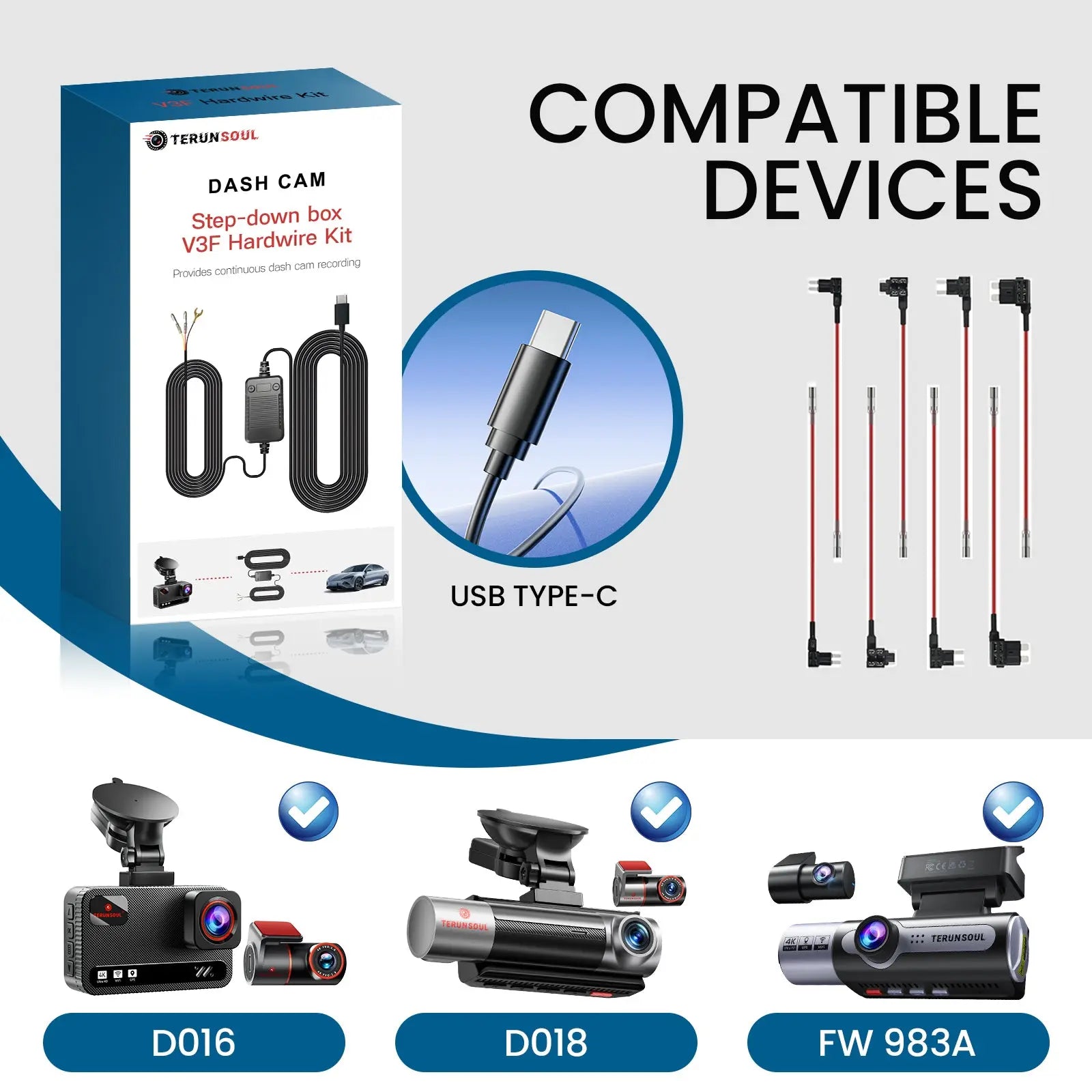
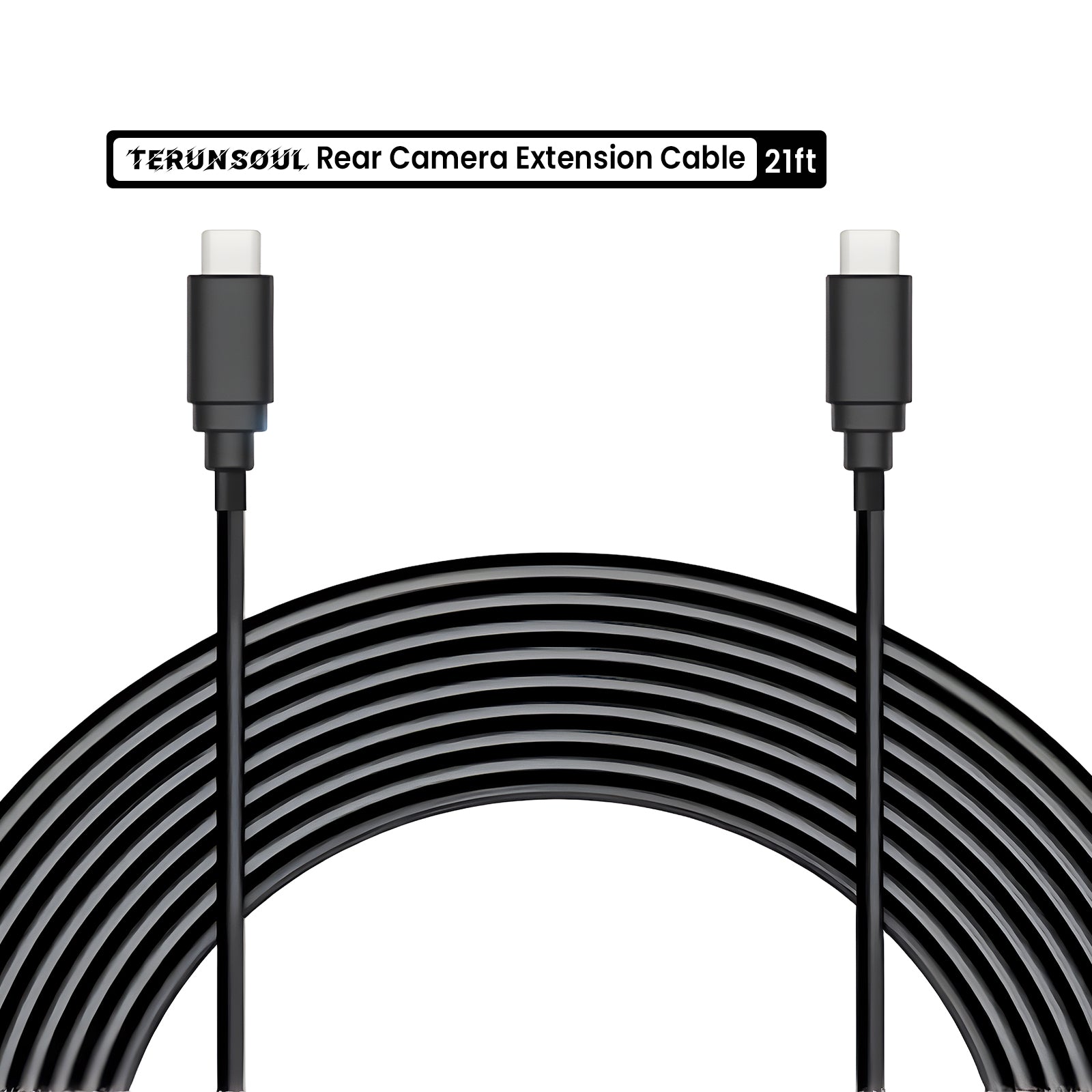
Continuous parking surveillance typically requires a hardwire kit (hardwire cable) that connects the dash cam directly to the vehicle's battery while protecting it from excessive battery drain.
Some brands include this accessory, while others sell it separately.
Understanding this before purchasing helps avoid unexpected costs later.
The Bottom Line
Technology continues to evolve, but the primary purpose of a dash cam hasn't changed.
Clear evidence.
Reliable recording.
Protection when you need it most.
Everything else should come after these four essentials.
Chapter 3: The Hidden Cost Most Buyers Never Calculate
When comparing dash cams, many shoppers naturally focus on the advertised selling price.
A product listed for $299 appears more affordable than one listed for $349.
But in reality, neither figure tells the full story.
The smarter comparison is total ownership cost.
This includes everything you'll need before the dash cam is fully ready for everyday use.
For many premium models, that may include:
- A high-endurance microSD card
- A hardwire kit for parking mode
- Shipping fees
- Optional CPL filters
- Extended warranty plans
These additional purchases can easily increase the final cost by $50 to $100—or even more.
For first-time buyers, this often comes as an unexpected surprise.
A Better Way to Compare Value
Instead of asking,
"Which dash cam is cheaper?"
Try asking,
"Which dash cam gives me everything I actually need for the lowest total cost?"
That small change in perspective often leads to a very different answer.
For example, a product that includes a high-endurance 128GB memory card may actually cost less overall than a seemingly cheaper model that requires the card to be purchased separately.
Likewise, a dash cam with built-in GPS saves buyers from needing additional accessories or external tracking solutions.
Value isn't simply measured by the number printed on the price tag.
It's measured by how much useful functionality you receive for every dollar you spend.
Looking Beyond Marketing
It's easy to be attracted by long specification lists or premium branding.
However, experienced buyers usually focus on three questions:
- Does this camera record reliable evidence?
- Will I need to spend more after purchasing it?
- Does the total package justify the final cost?
When you begin comparing products this way, marketing claims become less important.
Real-world usability becomes much more important.
And that's often where genuine value begins to stand out.
Chapter 4: What Should You Look for When Choosing a Dash Cam?
With hundreds of dash cam options available, choosing the right model can feel overwhelming.
Many products advertise impressive features, but not every dash cam provides the same level of protection.
Before purchasing, drivers should focus on several important factors.
1. Video Resolution: Why 4K Matters
Video quality is one of the most important features of a dash cam.
During an accident, important details may include:
- License plates
- Road signs
- Vehicle damage
- Driver actions
Low-resolution footage may look acceptable during normal driving, but critical details can become unclear when you actually need the recording.
A 4K dash cam provides sharper images and better detail, especially during daytime driving and complex road situations.
For drivers who want stronger evidence protection, higher resolution can make the difference between unclear footage and useful evidence.
2. Front and Rear Recording Protection
Many accidents do not happen directly in front of your vehicle.
Rear-end collisions, lane changes, and parking incidents often happen behind or around your car.
A front-only dash cam may miss important information.
A dual-channel system that records both front and rear views provides broader protection by capturing:
- Front traffic conditions
- Rear approaching vehicles
- Lane changes
- Rear impacts
This is especially useful for daily commuters and highway drivers.
3. Night Vision Performance
Many accidents happen at night or in low-light conditions.
A dash cam that performs well during nighttime driving should provide:
- Clear image quality
- Better exposure control
- Reduced glare
- Improved visibility of important details
A camera that performs well during the day but produces unclear nighttime footage may fail when drivers need it most.
4. Parking Monitoring Capability
A vehicle does not only face risks while driving.
Parking lots, streets, and residential areas can also create unexpected situations:
- Hit-and-run damage
- Scratches
- Vehicle impacts
- Theft attempts
Parking monitoring allows a dash cam to continue protecting your vehicle even when you are away.
For many models, including TERUNSOUL D016, parking monitoring requires a dedicated hardwire kit (step-down cable) to provide continuous power and enable 24/7 surveillance.
5. Storage and Included Accessories
Storage is another factor many buyers overlook.
A dash cam records continuously, meaning memory cards are an essential part of the system.
Many dash cams require customers to purchase a separate memory card, adding extra costs after purchase.
Choosing a package that includes a reliable memory card can save money and make installation easier.
Chapter 5: Why TERUNSOUL D016 Is a Smart Choice for Everyday Drivers
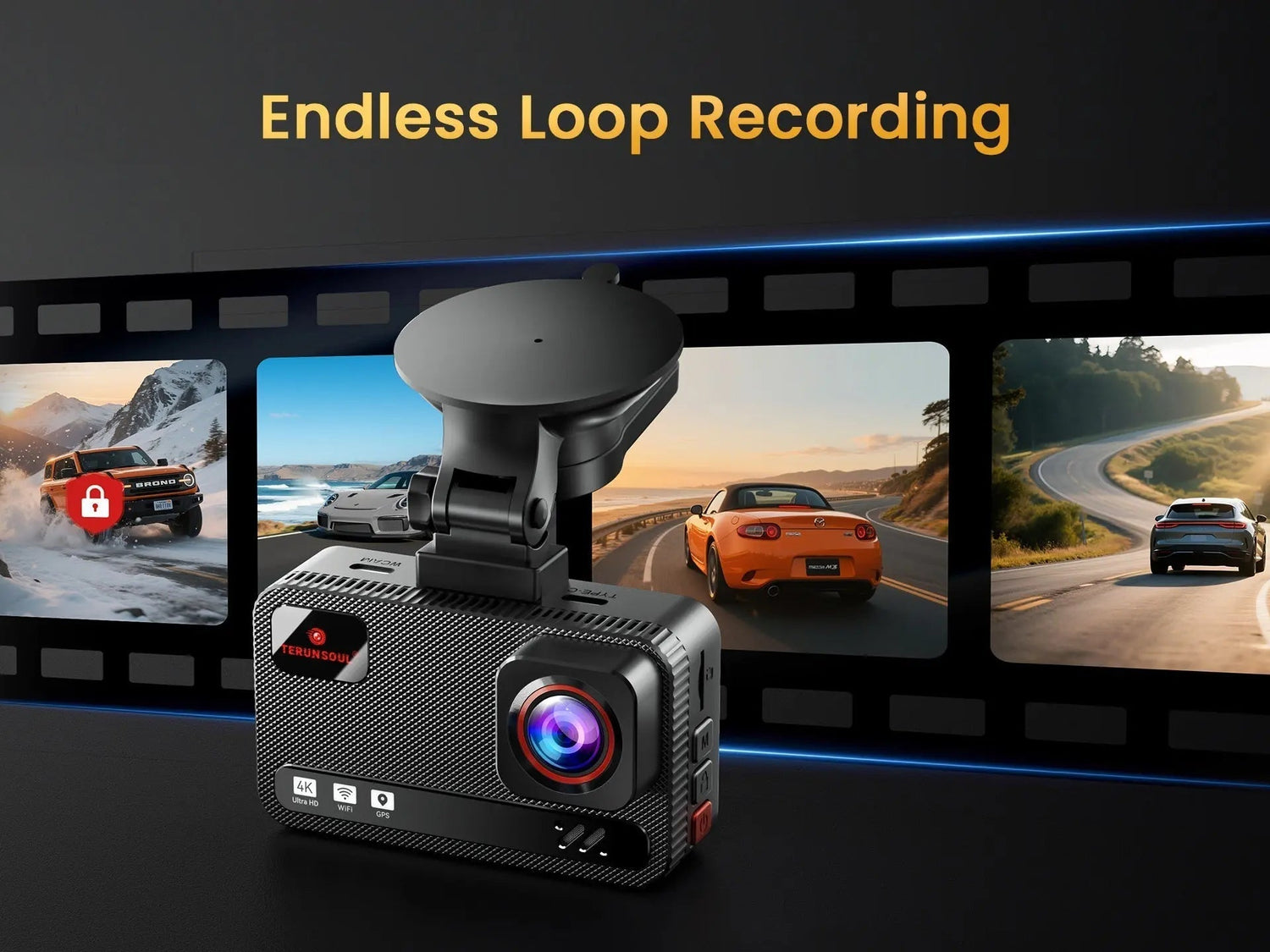
For drivers looking for strong protection without paying premium brand prices, TERUNSOUL D016 offers a balance between advanced features and affordability.
Many premium dash cam brands offer excellent products, but some models can cost several hundred dollars before adding accessories and storage cards.
TERUNSOUL D016 focuses on providing essential protection features at a more accessible price point.
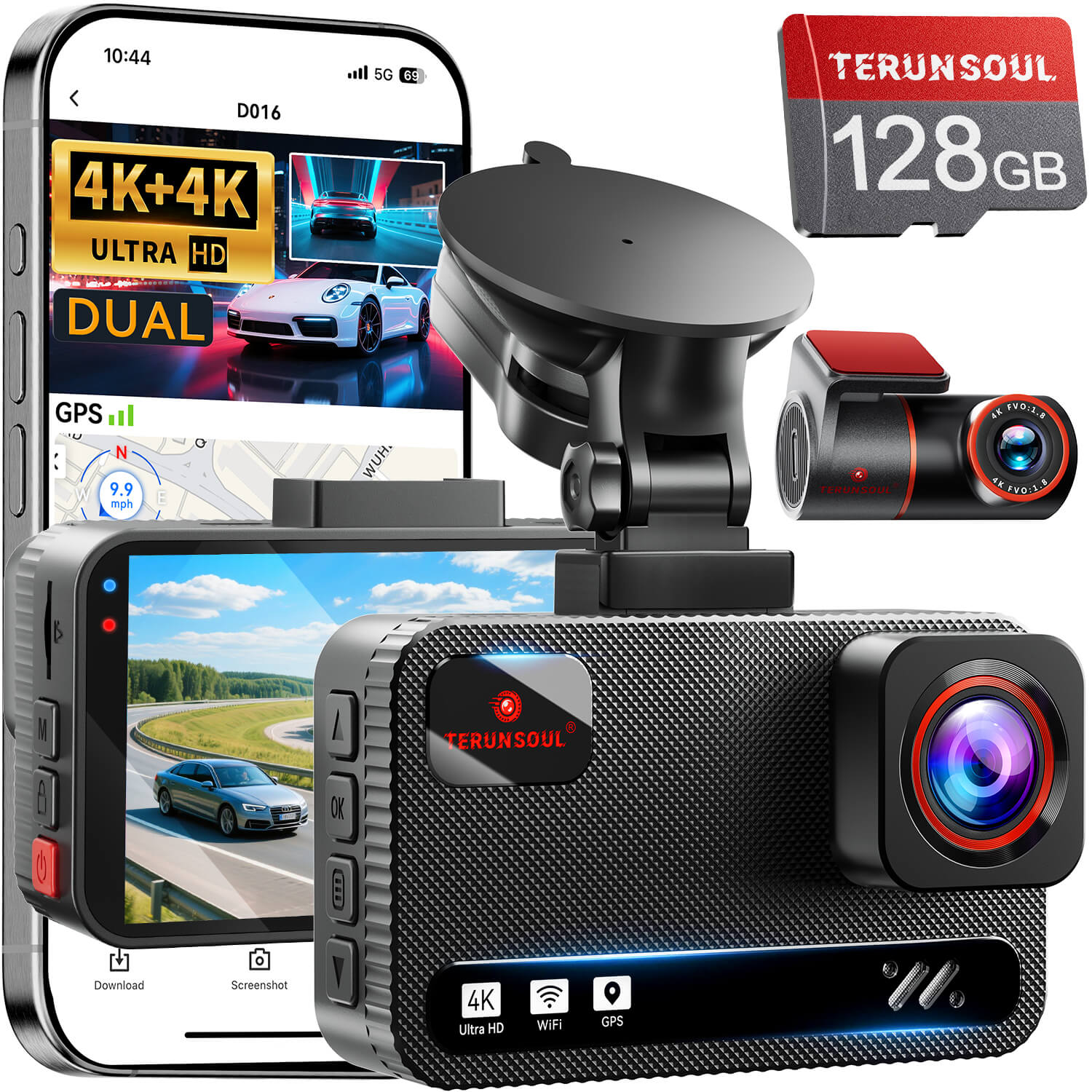
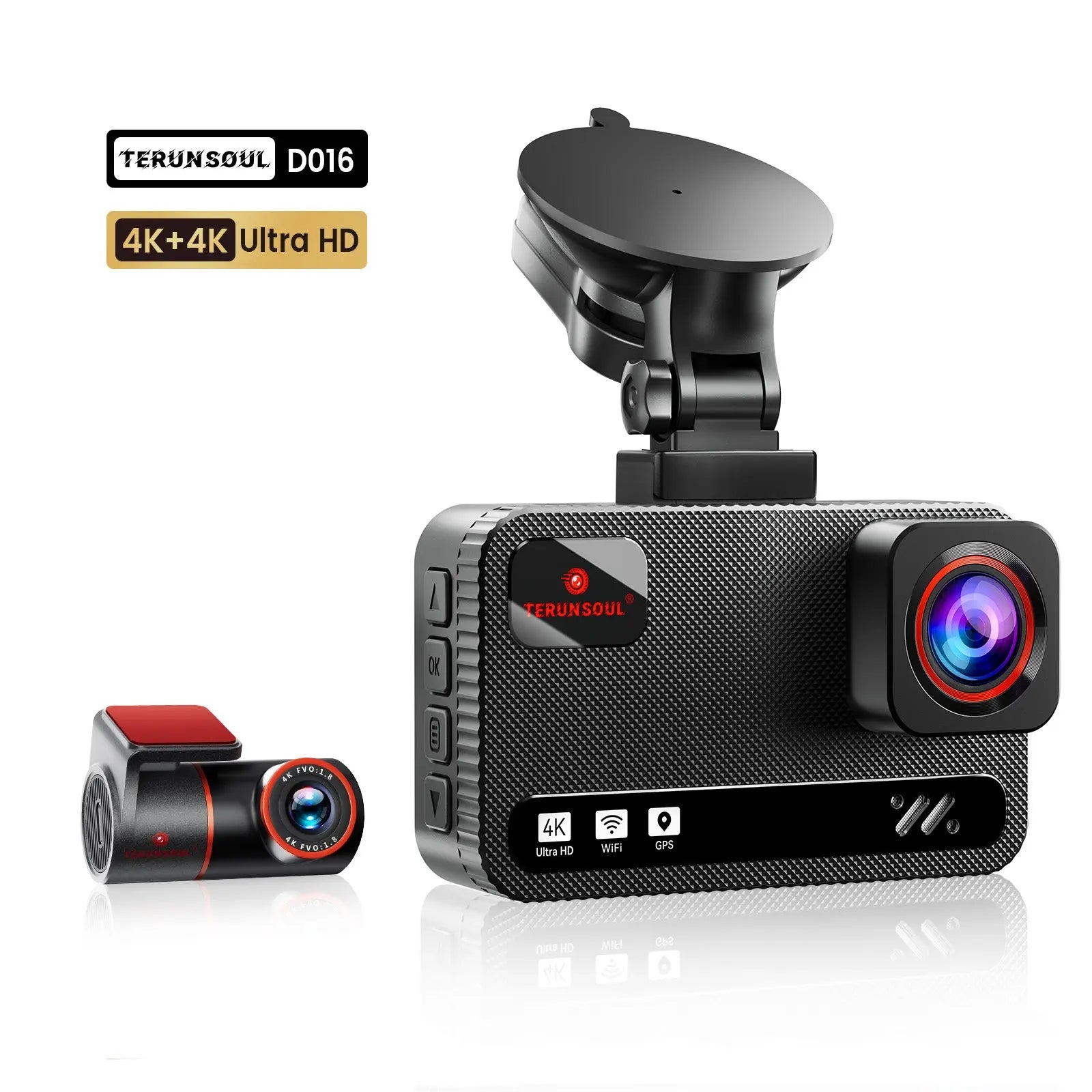
4K+4K Front and Rear Recording
One of the key advantages of TERUNSOUL D016 is its dual-camera recording capability.
The system provides:
- 4K front recording
- 4K rear recording
- Wide-angle coverage
This allows drivers to capture more complete information around their vehicle.
Whether dealing with highway accidents, parking incidents, or unexpected road situations, having both front and rear footage provides stronger protection.
Built-In Value With Included 128GB Memory Card
Storage costs have increased significantly in recent years, making included accessories more valuable.
Many dash cam buyers need to purchase a memory card separately after buying their camera.
TERUNSOUL D016 includes a 128GB memory card, helping drivers start recording immediately without additional purchases.
Smart Connectivity With WiFi
Modern drivers expect convenient access to their recordings.
With built-in WiFi connectivity, users can quickly:
- Connect their smartphone
- View recorded videos
- Download important footage
- Share clips when needed
This makes managing recordings easier compared with traditional dash cams that require removing the memory card frequently.
Reliable Protection Without Premium Pricing
A dash cam is an investment in protection.
The cost of a camera is small compared with the potential expenses of:
- Accident repairs
- Insurance disputes
- Legal issues
- Lost time
TERUNSOUL D016 provides drivers with essential safety features while maintaining an affordable price point.
For everyday drivers, families, and commuters, it offers practical protection without unnecessary complexity.
Conclusion: A Small Investment That Can Save Thousands
Car accidents are unpredictable, and even careful drivers cannot control what others do on the road.
When an accident happens, evidence becomes one of the most valuable tools a driver can have.
A quality dash cam helps protect drivers by recording the truth, supporting insurance claims, and providing peace of mind during every journey.
While no one expects to experience an accident, being prepared can make a significant difference.
Investing in a reliable dash cam like TERUNSOUL D016 is not simply about recording videos.
It is about protecting yourself, your vehicle, and your future.
Frequently Asked Questions (FAQ)
1. Is a dash cam worth buying in 2026?
Yes. With rising repair costs, insurance disputes, and increasing traffic risks, a dash cam provides valuable protection by creating reliable video evidence.
2. Can dash cam footage help with insurance claims?
Yes. Dash cam footage can help show what happened during an accident and provide additional evidence for insurance investigations.
3. Does a dash cam record while parked?
Many dash cams support parking monitoring. However, continuous parking surveillance usually requires a hardwire kit (step-down cable) for constant power.
4. Is 4K dash cam better than 1080P?
A 4K dash cam provides clearer details, making it easier to identify important information such as license plates and road conditions.
5. Do I need a memory card for a dash cam?
Yes. Dash cams require storage to save recordings. Some models, like TERUNSOUL D016, include a 128GB memory card for added convenience.


Leave a comment
All comments are moderated before being published.
This site is protected by hCaptcha and the hCaptcha Privacy Policy and Terms of Service apply.